

If you are living in Japan and looking for a fruit that is easy to eat and still feels familiar, like in Vietnam, then crunchy sweet guava is definitely worth trying. Compared with many fruits that are intensely sweet or easy to get tired of, guava stands out for its light flavor, clear crispness, daily eatability, and suitability for many age groups.
From our experience advising customers at HD FRUITS JAPAN, we have found that people buying crunchy sweet guava usually care most about three things:
- Is the guava still crunchy?
- Is it naturally sweet?
- Is it astringent, soft, or mushy when eaten?
For Vietnamese people in Japan, the key point is not just being able to buy guava, but choosing fruit that is still fresh, firm, juicy, and properly stored so it keeps its original crispness.
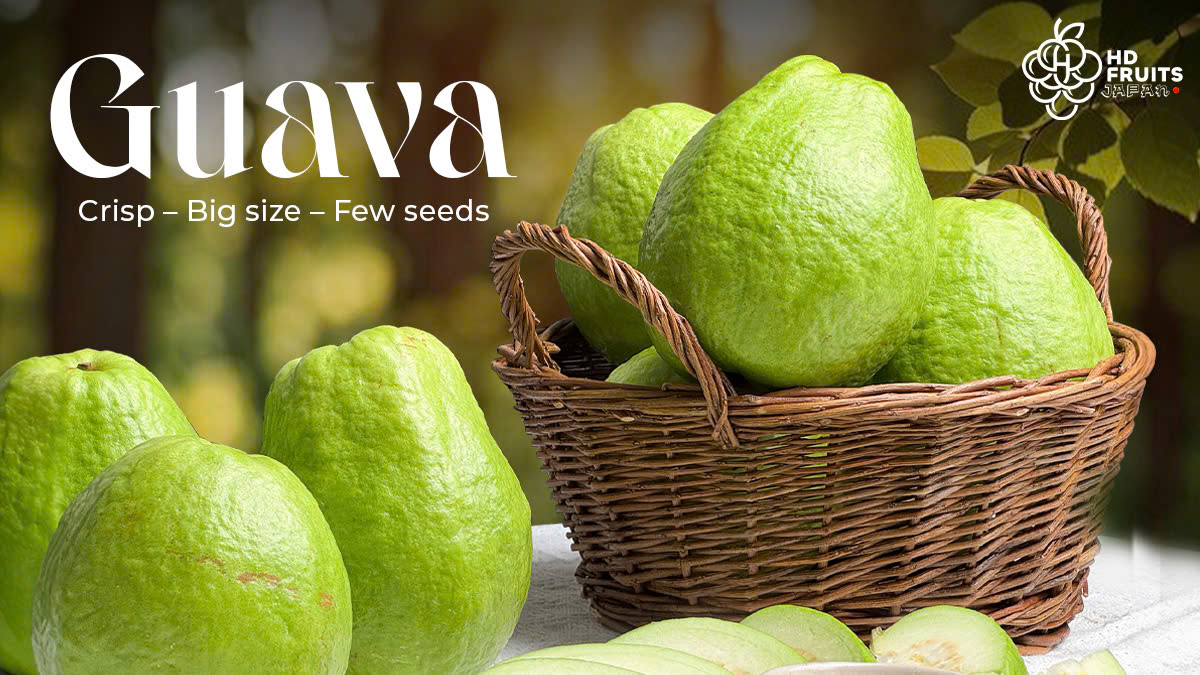
What Is Crunchy Sweet Guava? Why Do Many Vietnamese People In Japan Like This Fruit?
What are the characteristics of crunchy sweet guava?
Crunchy sweet guava usually has firm flesh that gives a clear crisp bite, a gentle sweetness rather than a sharp sugary taste, and sometimes a slight astringency if the fruit is still too young or not fully matured. In articles summarizing popular guava varieties, many well-liked types share several common features:
- white or off-white flesh
- crisp, firm texture, not mushy
- light fragrance
- mild sweetness and easy-to-like flavor
From a sensory point of view, a piece of crunchy sweet guava is often easy to recognize through signs such as:
- bright green skin or green skin with a slight yellowish tint
- round or well-balanced shape
- firm fruit body, heavy in the hand
- white, juicy flesh without too much softness
- mild sweetness that feels easier to eat than a strong sugary taste
From our practical observation, first-time buyers are often most impressed by the texture: “crisp but not dry,” meaning it still has juice and a fresh feel when bitten.
Why is guava such an easy fruit to like?
Guava is a familiar fruit for many families because it is easy to eat, easy to buy, and suitable for many serving styles. From a nutritional perspective, common data shows that guava is high in water, contains fiber, and is a notable source of vitamin C. According to USDA FoodData Central, raw guava contains around 68 kcal per 100 g and 5.4 g of fiber per 100 g.
That is also why guava is often loved for these reasons:
- it does not become boring quickly as an everyday fruit
- its crunch gives a satisfying eating experience
- it can be eaten fresh, chilled, or juiced
- it works well as an after-meal fruit or a snack
Compared with many fruits that are very sweet, crunchy sweet guava feels lighter, easier to enjoy, and suitable for both adults and children.
Is Crunchy Sweet Guava In Japan Good?
The answer is yes, as long as you choose fresh fruit and store it properly. Common guava selection guides all point to the same conclusion: guava tastes best when it is at the right stage, still firm, heavy in the hand, and not yet soft or wilted.
For Vietnamese people in Japan, the appeal of crunchy sweet guava does not come from strong sweetness like mangoes or grapes. Instead, it comes from the balance of:
- crispness
- juiciness
- light flavor
- easy daily eating
It is also a fruit that suits a busy lifestyle because it can be eaten immediately, chilled quickly, or taken along easily.
What makes the taste of crunchy sweet guava stand out?
The most noticeable taste characteristic of crunchy sweet guava is its gentle sweetness, firm crispness, and light aroma. A good guava usually feels like this:
- crisp when bitten
- juicy but not mushy
- mildly sweet, not overpowering
- noticeably less astringent when picked at the right stage
According to guava selection guides, very dark green fruit is usually still immature and more likely to taste astringent, while overly yellow fruit often loses its crispness and starts becoming soft. That is why the best guava is usually at a “just right” stage, neither too young nor too ripe.
From our experience, this is a fruit that tends to leave a better impression when lightly chilled before eating, because the clean flavor becomes clearer and the crispness is easier to notice.
Is crunchy sweet guava suitable for Vietnamese tastes in Japan?
Very much so. Many Vietnamese people still prefer fruits that can be eaten fresh, are easy to prepare, and easy to share with family. Crunchy sweet guava matches that preference well because it:
- can be eaten directly
- works well when lightly chilled
- tastes great with chili salt
- is easy to use as a daily snack
It is also suitable for many groups of people:
- those who prefer crisp fruit over soft fruit
- families looking for a healthy snack
- people who want fruit that is easy to take to work or school
- people who do not enjoy overly sweet flavors
What Determines Whether Guava Sold In Japan Is Crisp And Sweet?
According to widely read guava selection guides, three factors most directly determine the eating quality of crunchy sweet guava:
- freshness of the fruit
- firmness and weight
- storage after arrival
These are also the three most important layers of information if you want to write an article that matches search intent, because users are not only asking “Is guava good?” but really “How can I tell if this guava is still crisp and good?”
Freshness of the fruit
Freshness is the first thing to look at. A fresh guava usually has:
- an intact, firmly attached stem
- green leaves if leaves are still attached
- tight skin that is not wilted
- no dark or shriveled top area
Also, if the blossom end is evenly opened and slightly creamy yellow, it often indicates that the fruit has reached a better eating stage than fruit that is still too green.
If you want to choose crunchy sweet guava in Japan, prioritize fruit that feels “fresh” and does not show signs of having been stored too long.
Firmness and weight
One of the clearest signs of good crunchy sweet guava is that it feels heavy and firm. Fruit that feels heavy in the hand is often juicier, denser, and crisper. On the other hand, lighter fruit often tends to be:
- softer
- more spongy
- less crisp
- less fresh in eating quality
When gently pressed, good guava should feel firm, not mushy, not overly soft, and not patchy or mealy in texture.
Storage after arrival
Storage has a major effect on crispness. According to common guava storage recommendations, if kept in the refrigerator, guava can last around 4 days, but it often starts softening after 1–2 days and loses some of its original crunch. The recommended storage temperature is often mentioned in the range of 5–15°C.
That means guava sold in Japan can still be delicious, but if post-arrival storage is not handled well:
- the fruit will lose firmness quickly
- the skin becomes softer
- the crisp texture decreases
- the overall taste becomes less appealing
How To Choose Good Crunchy Sweet Guava In Japan
Look at the stem and leaves
The stem and leaves are the easiest details to check. When buying crunchy sweet guava, you should prioritize fruit with:
- a firm stem that is not wilted
- fresh leaves if they are still attached
- a bright, unblemished top area
- a blossom end that appears evenly opened
These signs usually show that the fruit is still fresh and has not been stored too long after harvest.
Hold it to check the weight
A good guava should not feel unusually light. This is a simple but very effective tip:
- the heavier the fruit feels, the more worth trying it is
- if two fruits are the same size, choose the firmer one
- avoid fruit that feels light, hollow, or spongy
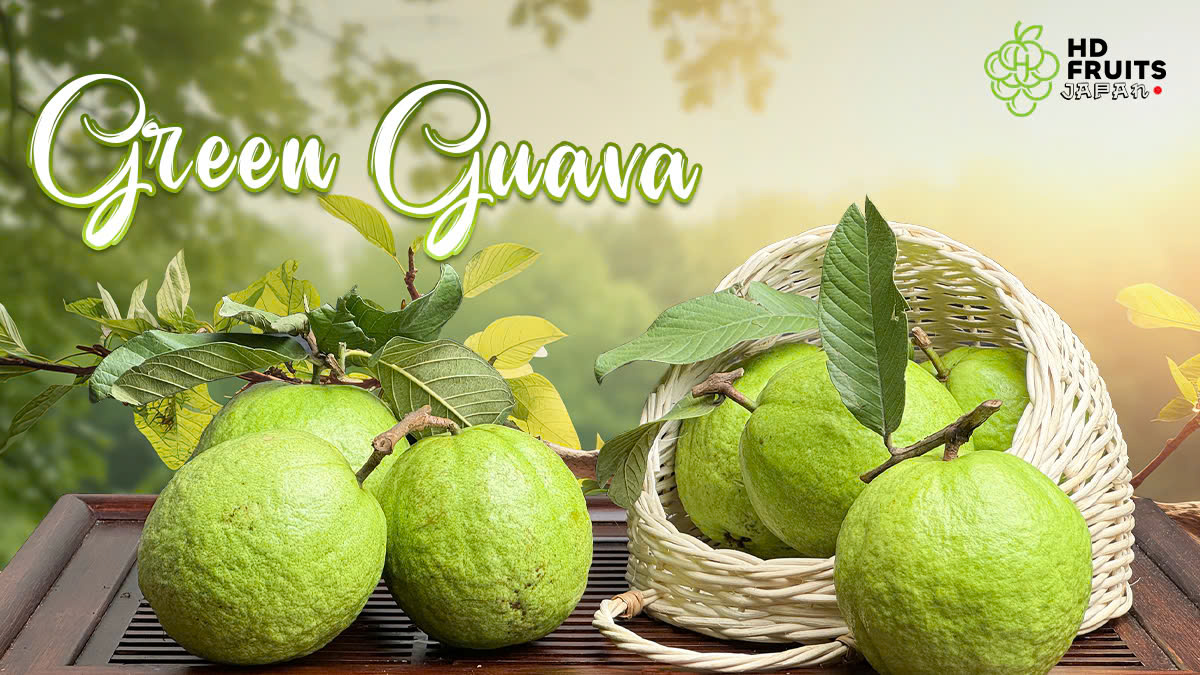
In practice, heavier guavas usually feel juicier and crisper when eaten.
Gently squeeze to check firmness
A light squeeze is a fairly accurate way to judge quality. Good fruit should be:
- firm and solid
- not soft or mushy
- not so immature that it feels harshly hard
- dense inside, not mealy
For crunchy sweet guava, the ideal firmness is “firm but pleasant,” not excessively hard like very immature fruit.
Observe the skin color and surface
Good guava skin is usually bright green or green with a slight pale yellow tint. When choosing guava, look for:
- bright green or slightly yellow-green color
- no bruising on the surface
- no wrinkled skin
- a slightly textured skin rather than one that is overly smooth and glossy
Based on common guidance, darker green fruit is often less mature and more likely to be astringent, while overly yellow fruit is usually softer and less crisp.
Signs to avoid
There are several signs that suggest guava is no longer at its best or should be avoided:
- wilted or detached stem
- soft or mushy fruit
- fruit that feels light
- bruises or dark damaged spots
- unusual smell or signs of prolonged storage
This is basically a practical checklist when buying crunchy sweet guava, especially if you want to eat it fresh.
How Is Crunchy Sweet Guava Different From Other Common Guava Types?
The guava market is quite diverse today, with pear-shaped guava, seedless guava, pink-flesh guava, and many varieties that lean either more aromatic or more crisp. That is why crunchy sweet guava is not necessarily a single variety, but rather a group of characteristics that buyers are looking for:
- crisp texture
- gentle sweetness
- low astringency
- easy-to-like taste
- suitable for eating fresh
Some varieties stand out for crunch, some for fragrance, and others for fewer seeds or richer flavor. So when people search for crunchy sweet guava, they are really searching for a certain eating experience, not just a specific variety name.
When should you choose a guava type that is more crisp?
You should choose a more crisp type of guava when you:
- enjoy a clear crunchy bite
- want to eat it fresh
- like it with chili salt or chilled
- do not like fruit that is too soft
This type of guava is also a good fit for people who want a light, refreshing snack that does not feel heavy.
When should you choose a softer or more aromatic guava?
On the other hand, softer or more aromatic guava may suit people who:
- do not enjoy biting into very crisp fruit
- want something easier to eat
- prefer a more mature fruit flavor
- may use it for juice or softer dishes
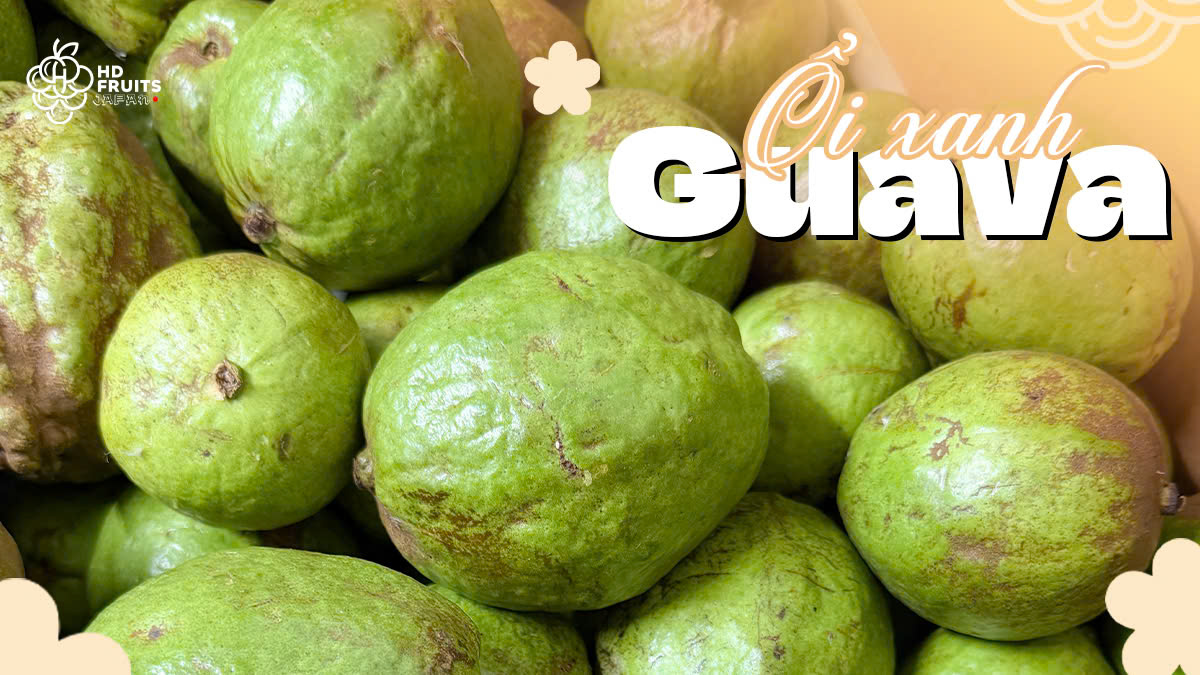
This should be understood more as a preference-based choice than as an absolute rule.
What Is The Best Way To Enjoy Crunchy Sweet Guava In Japan?
Eat it fresh
This is the best way to clearly appreciate the crispness and light taste of guava. When freshly cut, crunchy sweet guava keeps:
- a firm texture
- juicy flesh
- a light natural aroma
For fruit that has reached the right eating stage, fresh eating is still the best way to understand why this fruit is so popular.
Chill it before eating
Lightly chilling guava before eating often makes it feel:
- cooler
- more pleasantly crisp
- cleaner and lighter in flavor
However, if chilled for too long, guava gradually softens after 1–2 days. So the best method is to cool it lightly before eating rather than storing it cold for too long.
Eat it with chili salt or make juice
Crunchy sweet guava is also very good with chili salt, especially for people who like a stronger taste. In addition, fruit that does not look perfect or has started softening slightly can still be used for:
- juicing
- blending with other fruits
- making a light fruit snack
This is a practical way to make better use of the fruit while still enjoying its pleasant flavor.
How To Store Guava After Buying It In Japan
If you plan to eat it the same day
If you only plan to eat it within the day, the best method is to keep it in a dry, airy place away from direct sunlight. At room temperature, guava softens quickly if left too long, so it is best to buy only the amount you need.
If you want to keep it longer
If you want to store guava for longer, you should:
- remove bruised or damaged fruit
- place it in a zip bag, plastic bag, or mesh bag
- do not seal it completely airtight
- store it in the refrigerator
- avoid keeping it near other fruit or strong-smelling foods such as meat or fish
According to common storage guidance, this can help keep guava for around 4 days.
Storage notes
There are three very important points when storing crunchy sweet guava:
- do not wash the fruit before you are ready to eat it
- keep it at around 5–15°C
- accept that cold storage helps preserve the fruit, but the original crispness will decrease after 1–2 days
This is one of the most practical things buyers in Japan need to know: buying good guava is only half the job — proper storage is what keeps it enjoyable.
Who Should Buy Crunchy Sweet Guava In Japan?
Crunchy sweet guava is a suitable choice for:
- Vietnamese people in Japan who want a familiar fruit flavor
- families looking for an everyday fruit
- people who like crisp, refreshing fruit
- people who want fruit that is easy to prepare and carry
- people looking for a snack with fiber and vitamin C
Nutritionally, raw guava contains about 68 kcal per 100 g and 5.4 g of fiber per 100 g according to USDA. So from both a taste and nutrition perspective, this is a fruit that is easy to buy, easy to use, and easy to enjoy.
Quick Answers
Can crunchy sweet guava in Japan be astringent?
Yes, it can be slightly astringent if the fruit is still immature or not yet at the right stage. Dark green fruit usually has a higher chance of being astringent, while fruit at the right stage is more lightly sweet and noticeably less astringent.
How can you tell if guava is still crisp?
The easiest signs are:
- it feels heavy in the hand
- it feels firm when squeezed
- the stem is still fresh
- the skin is not wrinkled or soft
This is the most basic set of signs when choosing crunchy sweet guava for fresh eating.
Should you eat guava right away or refrigerate it?
If you want to enjoy the clearest crispness, it is best to eat it soon after buying. You can chill it briefly to make it more refreshing, but if you leave it too long in the refrigerator, it will gradually soften after 1–2 days, even though it lasts longer overall.
Is guava good for health?
Yes. Common nutritional data shows that guava is rich in vitamin C and fiber. USDA records raw guava at around 68 kcal per 100 g and 5.4 g of fiber per 100 g, making it a fruit that fits well into a daily diet.